Generating Versatility And Quality Through Your Images : Manual Modes Of Photography Explanations
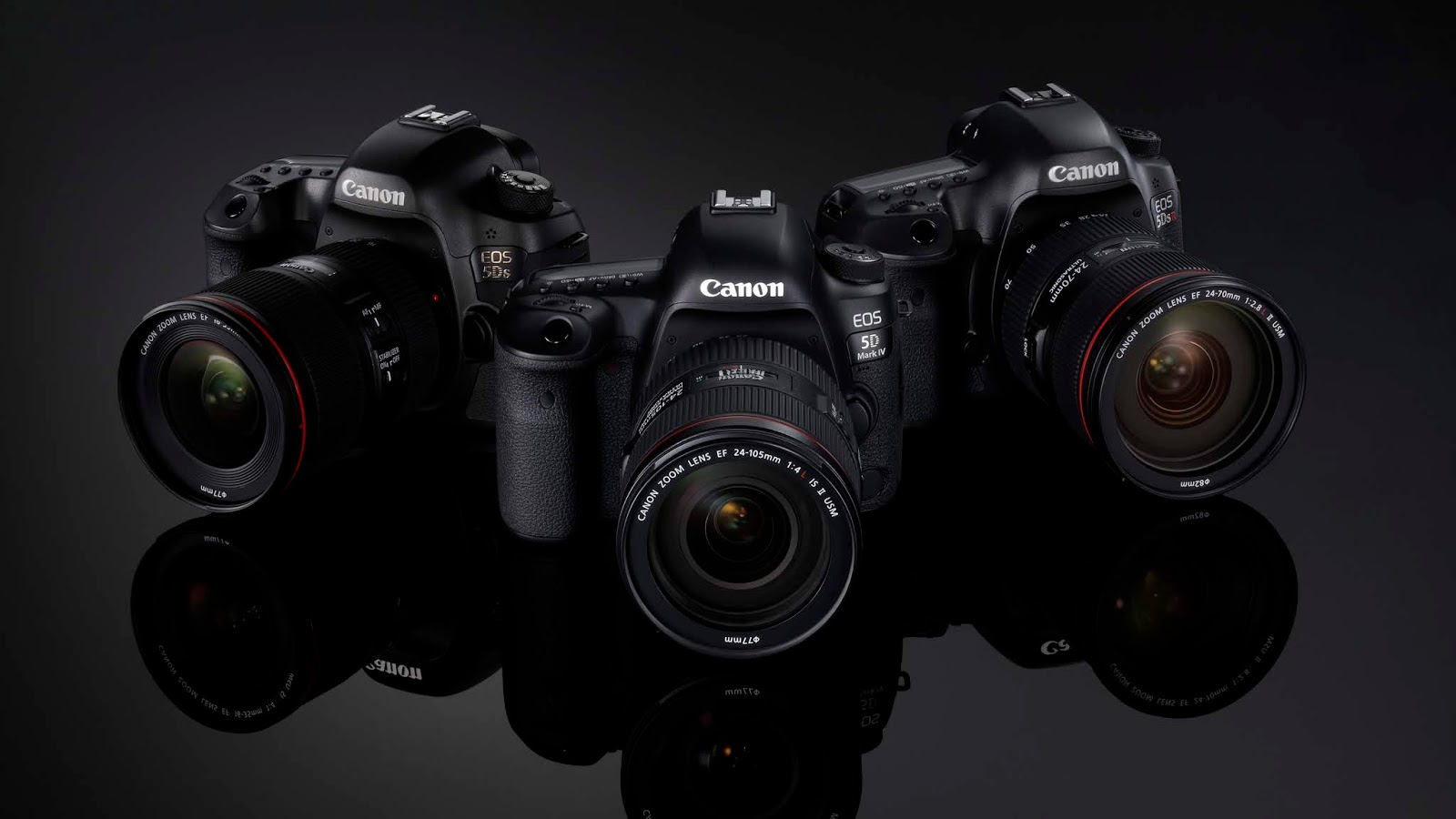
There is nothing wrong with shooting in auto mode. Underwater photography is inherently fun and exciting enough that dealing with manual settings is not for everyone. However, taking the next step into manual mode opens up endless possibilities with underwater photography. The main advantage of using manual settings is that you take full control of your image. The camera is your tool, not your brain. If you have a specific image in mind, the only way to turn it into a photograph is by using manual settings, because the camera can’t read your mind.
Additionally, shooting in manual mode makes the actual shooting process more fun. Trying to find the right settings, so that the image taken matches the one in your head is like trying to solve a puzzle. Few things are as rewarding as nailing an image you have spent time thinking about and then perfecting.
Once you have mastered the automatic modes such as the automatic, program, shutter priority and aperture priority modes, that is the time you are ready to move on to the manual mode to further sharpen your skills. In manual mode, you get the complete control over the camera exposure as everything from shutter speed to aperture and ISO to white balance is managed by you.
Shooting in manual mode requires better understanding of lighting conditions and the relation between shutter speed, aperture and ISO. One must practice well to know as to how a change in the shutter speed will affect the aperture value or the ISO and vice-a-versa.
Once you get a fair knowledge about shooting in the manual mode, you would never switch back to automatic mode or shutter/aperture priority mode knowing that these modes would somehow restrict your creativity.


There are 3 elements which go in to determining how much light is recorded in any exposure you
make:

APERTURE: This relates to the size of the hole which opens up in your lens to let light in. Normally Aperture is denoted as an F-number and describes how wide the lens is opening up to let light in. F22 is a fairly small aperture in your lens and won't let a lot of light in, where as a good quality lens may open up to F1.2 which will be a very wide aperture and lets a lot of light in.

SHUTTER SPEED: This relates to the length of time which the shutter opens within the body of the camera to expose the film or the sensor to the light coming in through the lens aperture. When you hear that click after pressing the shutter button, that is the sound of your shutter opening and closing to allow light to hit your sensor so it can capture an image. Shutter speed is given in increments of time from 1/8000 of a second being a very fast shutter which doesn't let a lot of light through, to 30 seconds which would expose the sensor to light for a long period of time.

ISO: This relates to you camera sensor, or your film stock. In the old days of shooting film people understood this well. If you knew you would be shooting on a bright sunny day you would buy less sensitive film, namely 100 speed. If you were going to be shooting in a low light situation you would buy 1600 speed film because it was very sensitive and captured more light coming in. The digital age has kept these numbers and we now talk about setting the sensitivity of our sensor for different lighting situations as our ISO number. The common ISO range is from 100 to 6400 in most modern cameras and the important thing to remember is that the higher your ISO number, the more sensitive your sensor is to light coming in.
The sources of the image are from google search , you can find the images on Google as per for copyright issues.The Copyright Act, 1957 came into effect from January 1958. This Act has been amended six times till date since then, i.e., in 1983, 1984, 1991, 1994, 1999 and 2012. The Copyright (Amendment) Act, 2012 is the most substantial. The main reasons for amendments to the Copyright Act, 1957 include to bring the Act in conformity with WCT and WPPT; to protect the Music and Film Industry and address its concerns; to address the concerns of the physically disabled and to protect the interests of the author of any work; Incidental changes; to remove operational facilities; and enforcement of rights. Some of the important amendments to the Copyright Act in 2012 are extension of copyright protection in the digital environment such as penalties for circumvention of technological protection measures and rights management information, and liability of internet service provider and introduction of statutory licences for cover versions and broadcasting organizations; ensuring right to receive royalties for authors, and music composers, exclusive economic and moral rights to performers, equal membership rights in copyright societies for authors and other right owners and exception of copyrights for physically disabled to access any works.


Comments
Post a Comment